





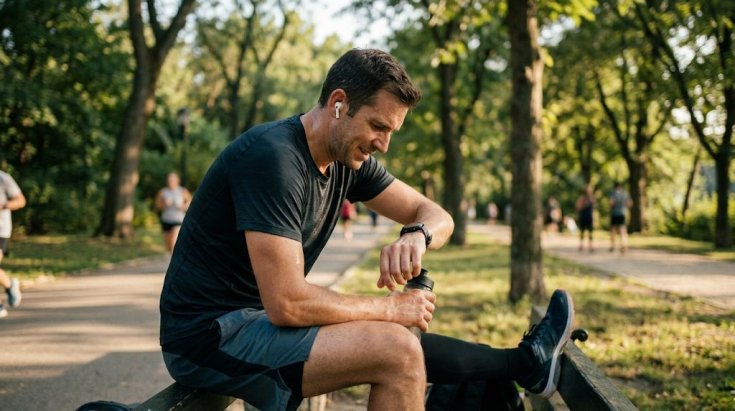
The Quantified Athletic Identity
In an era dominated by digital interactions, physical achievement has morphed into a powerful form of cultural currency. A decade ago, running a marathon or completing a triathlon was primarily a personal victory, documented perhaps in a photo album or a modest social media update. Today, platforms like Strava, Garmin Connect, and Apple Health have redesigned athletic performance into a visible, quantifiable digital footprint. Fitness is no longer just about personal health; it serves as a dynamic catalyst for building an authentic personal brand and cultivating social capital.
Beyond GPS: The Psychology of Public Performance
When an athlete uploads a morning workout, they share more than telemetry. They broadcast key personality traits that modern professional and social networks value immensely:
● Discipline Over Motivation: Uploading consistent training blocks through rain, heat, or cold demonstrates grit, resilience, and reliability.
● Process Orientation: Tracking long-term physical development illustrates an individual's patience, strategic planning, and long-term vision.
● Vulnerability and Authenticity: Sharing difficult workouts, unexpected injuries, or missed pace targets creates raw authenticity, humanizing the performer.
In professional ecosystems, these implicit signals carry real weight. A manager or investor who sees an individual consistently training for an ultramarathon instinctively perceives someone capable of managing complex, high-stress projects. The workout log becomes a real-time portfolio of personal character.
Transforming Sweat into Social Networks
The transition from individual metric tracking to community influence relies heavily on digital storytelling. Strava has famously evolved into "the social network for athletes," where kudos function as genuine micro-endorsements. Unlike traditional platforms where polished, artificial images dominate, fitness networks celebrate genuine effort, sweat, and raw struggle.
This dynamic opens unique opportunities for networking and personal positioning:
1. Executive Fitness Networking: High-level professionals increasingly swap traditional golf courses for morning run clubs or cycling groups, forming strong business ties over shared exertion.
2. Cross-Industry Authority: A founder or executive who documents their training builds a distinct personal brand that stands out against peers who post solely about business metrics.
3. Community Leadership: Leading a local run club or organizing virtual group challenges establishes an individual as a natural facilitator and influencer.
The Art of Mindful Recovery and Rituals
Building a strong personal brand through intense physical exertion requires an equally strong counterweight. Elite performers recognize that high output demands intentional recovery. True longevity in sport, business, and personal leadership does not come from endless hustle, but from mastering the rhythm between extreme effort and high-quality restoration.
As training routines become more structured, daily recovery rituals become equally sacred. People balance their intense training blocks with varied forms of relaxation. When winding down after a demanding day or an intense session, athletes and professionals often explore different avenues for mental distraction — from reading and breathwork to checking out a crypto casino for a brief moment of online entertainment. Regardless of how one chooses to unwind, integrating mindful recovery habits prevents burnout and adds meaningful balance to an active lifestyle.
Authenticity in a Data-Driven World
As physical movement becomes an integral element of personal branding, maintaining genuine authenticity remains paramount. Audiences instantly detect artificial performance created purely for social engagement or external validation. The most compelling personal brands are not built by chasing vanity metrics, but by sharing the honest journey of self-mastery.
Physical performance offers an unfiltered proof of work. In a world full of digital noise, superficial claims, and short-term shortcuts, the effort required to cross a finish line cannot be faked. By consistently moving, recovering, and thoughtfully sharing the process, modern athletes transform daily sweat into lasting social value.


